

Palaka: Hawaii's Original Work Shirt
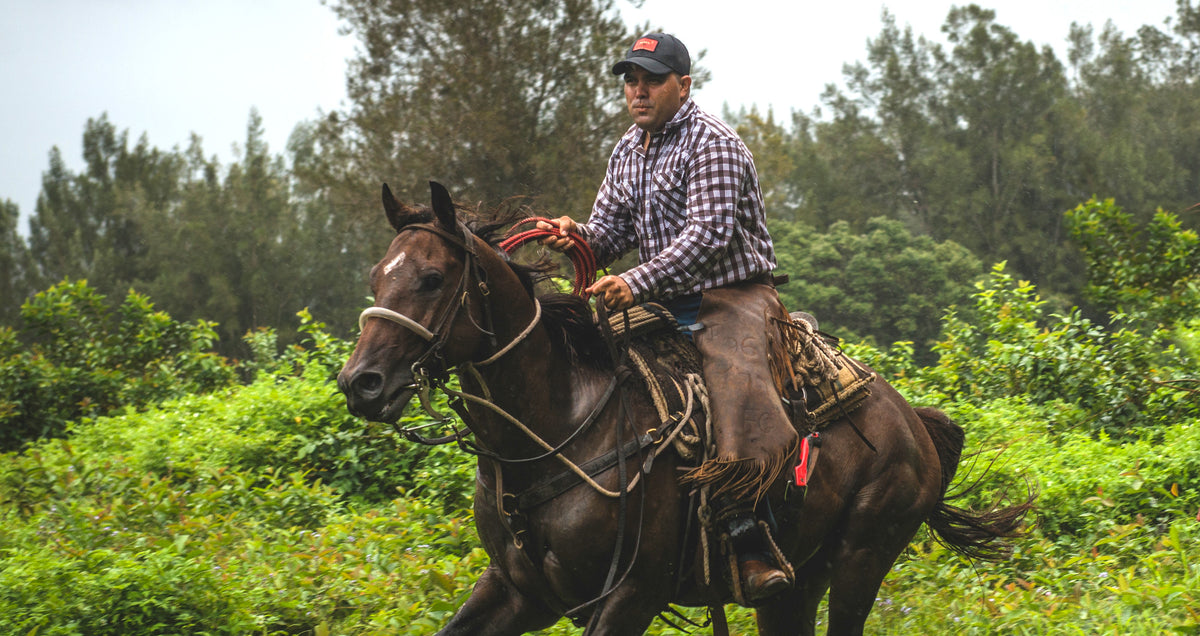
Palaka is Hawaii's plaid work cloth. The name is believed to come from the English word "frock," the loose shirts worn by sailors who reached the Islands in the early 1800s. The sturdy, yarn-dyed cotton became the everyday uniform of plantation workers, stevedores and Paniolo, Hawaii's cowboys. Today it's worn all over the Islands.
"The palaka was more Aloha than the Aloha shirt."
Goro Arakawa, Arakawa's General Store, Waipahu
From sailors' frocks to "frocks palaka"
English and American sailors who landed in Hawaii, then called the Sandwich Islands, in the early 1800s wore loose, long-sleeved cotton shirts called frocks, worn untucked. Islanders traded for the tough cloth, and the word "frock" became "palaka."
The earliest known written use comes from an 1873 letter by Peter Young Kaeo to his cousin Queen Emma, in which he wrote that he had bought cotton twill "to make me some frocks palaka." Over time the word came to mean the plaid pattern itself, not just the shirt.

The work shirt of the plantations and the ranches
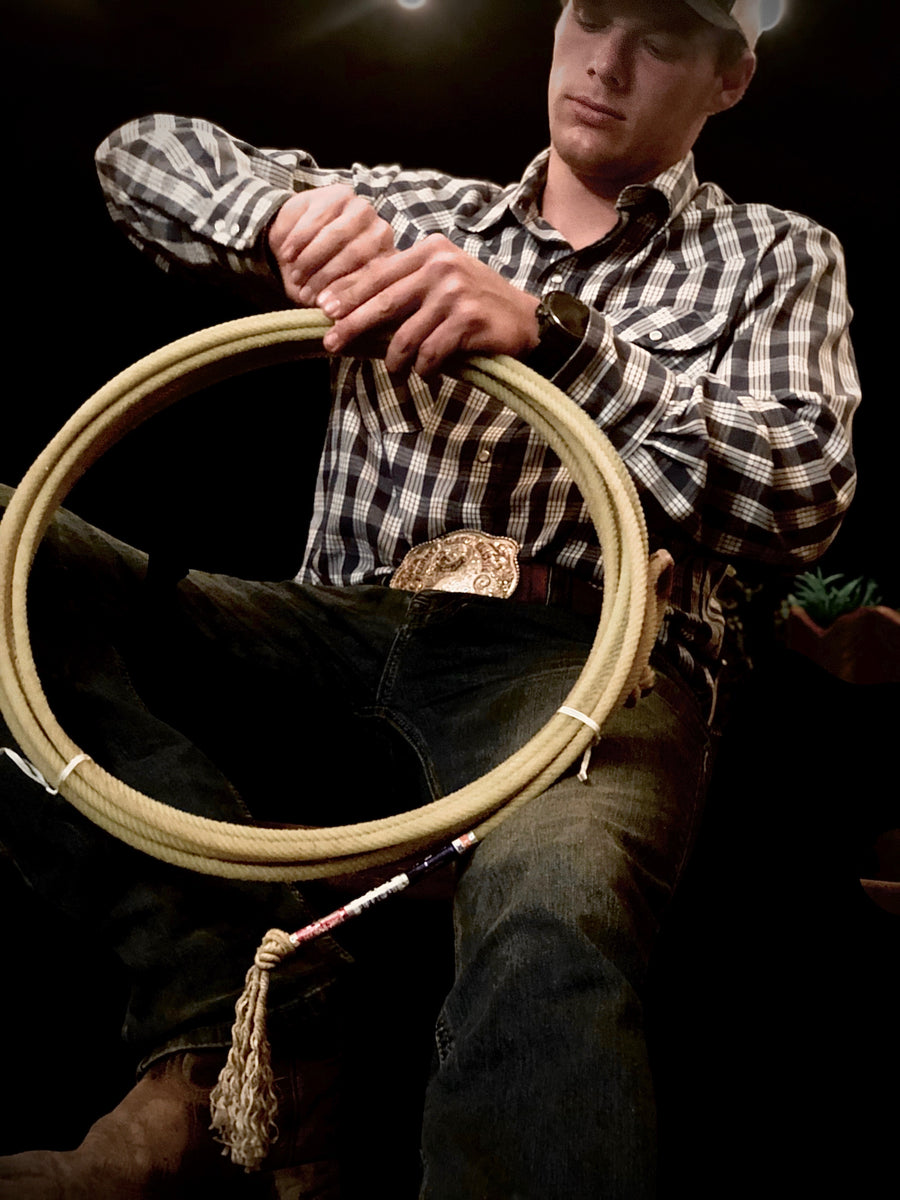
In the late 1800s and early 1900s, workers from China, Japan, Portugal, the Philippines and beyond came to Hawaii to work the sugar and pineapple plantations and the ranches. Palaka was what they worked in. Japanese workers took to it quickly because the blue-and-white plaid echoed the indigo-dyed cloth of home. Stevedores wore it on the docks, and Paniolo wore it on the range because it stood up to brush, rope and weather.
Zempan Arakawa, who arrived in 1904, opened a store in Waipahu, Oahu, in 1909 and began making palaka work shirts. Arakawa's grew into one of the biggest palaka makers in the Islands before it closed in 1995.
By 1932 a Honolulu Chamber of Commerce committee reported that palaka had moved well beyond the fields:
"For years the laborer has worn a palaka to work, it has been part of the cowboy's picturesque costume, and stevedores have worn them on the docks. In recent years the smart set of Hawaii have annexed the palaka … to their wardrobes. Boys and girls wear them to school, to play, to football games, to parties."
A symbol of local pride
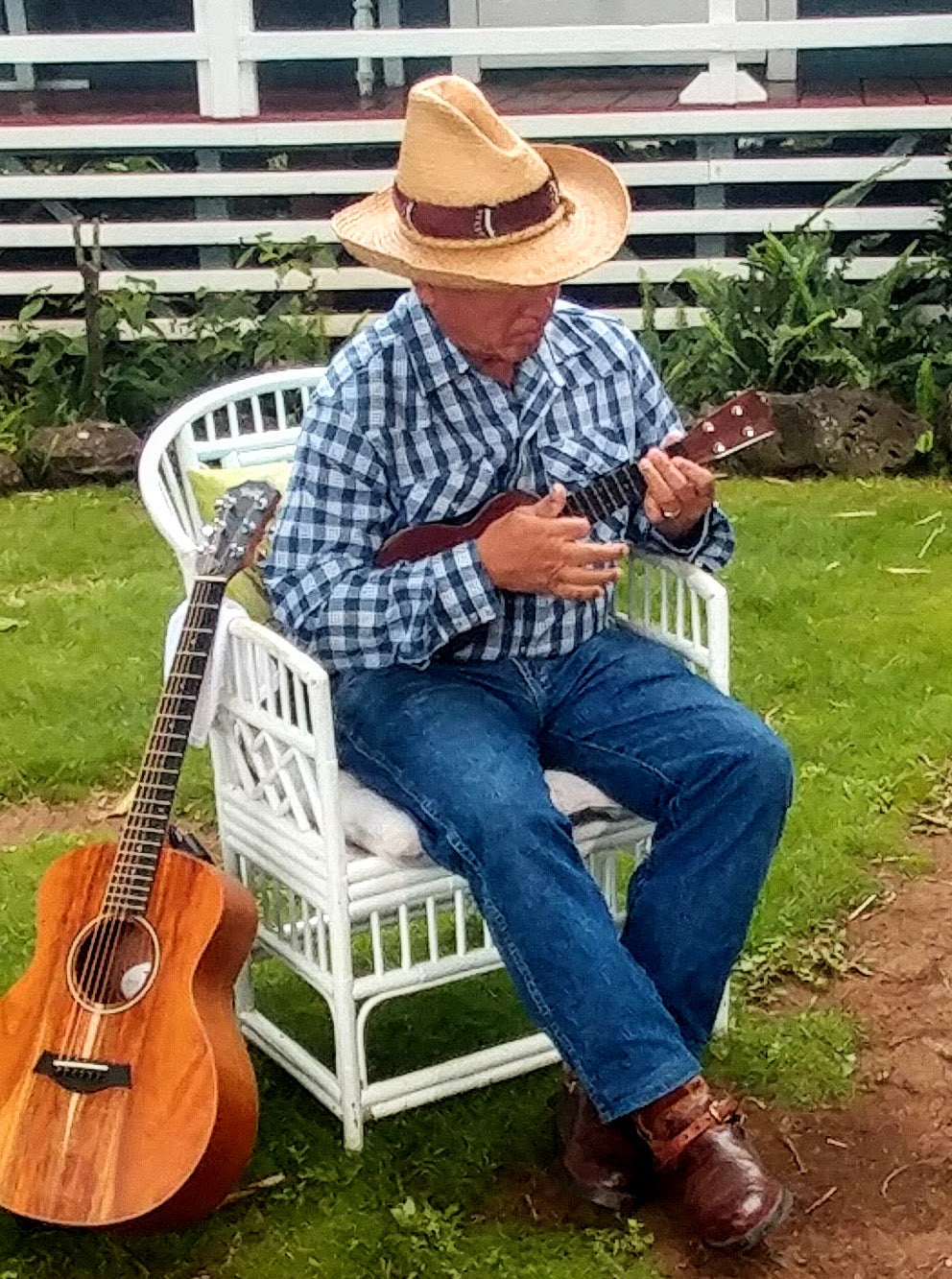
In the 1960s, Hawaiian musicians made palaka part of the kanikapila scene, with the Sons of Hawaii wearing it as their uniform. New colors like red, yellow and green appeared. In the 1970s and '80s, "Palaka Power" became a rallying cry for local people, and some delegates wore palaka to the 1978 Constitutional Convention. Today palaka shows up everywhere from hula festivals to fashion runways.
Palaka through the years
- Early 1800s: Sailors bring cotton "frocks" to the Islands.
- 1873: First known written use of "palaka."
- 1909: Arakawa's opens in Waipahu and starts making palaka work shirts.
- 1932: Honolulu's Chamber of Commerce reports palaka at school, parties and the beach.
- 1960s: Hawaiian musicians adopt palaka, and new colors appear.
- 1970s–80s: "Palaka Power" turns the cloth into a statement of local pride.
- Today: A palaka renaissance, from Merrie Monarch to the mainland.
How we make ours
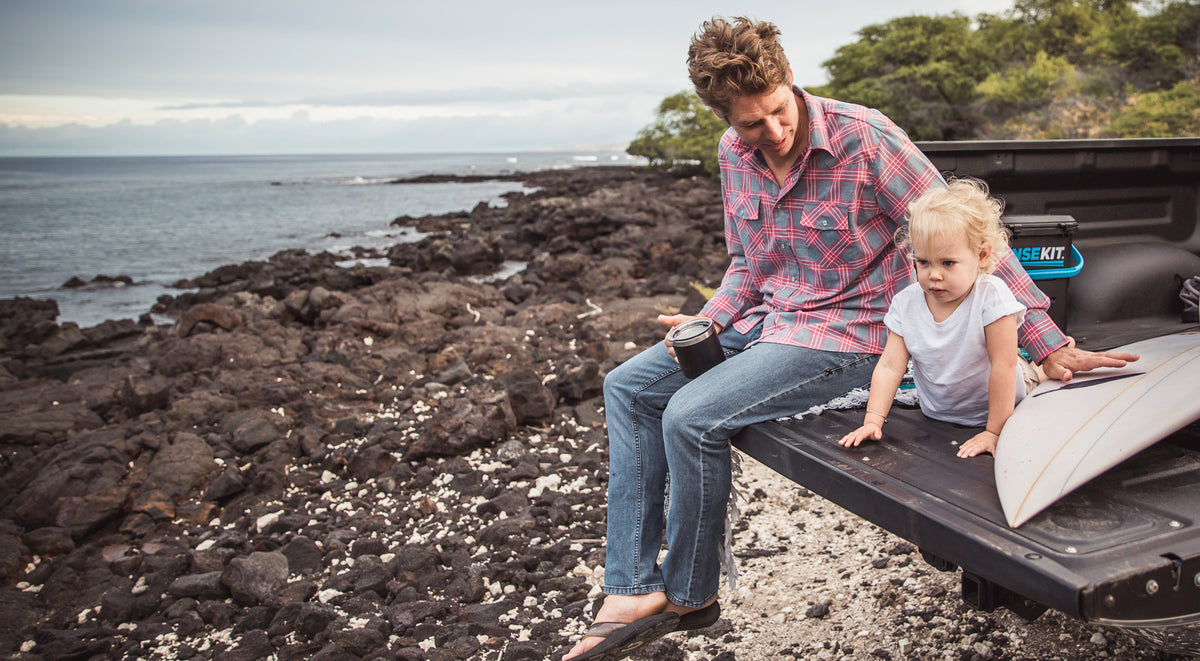
Western Aloha's founder bought his first palaka at a thrift store in 1993 and has been wearing them ever since. Ours is built for the way palaka is worn now, from a morning on the ranch in Waimea to pau hana in town.
- Classic palaka is yarn-dyed, just like the original, so the plaid is woven in rather than printed. Instead of stiff, heavy twill, we weave it from Cowboy Cloth, our lightweight, cotton-rich 60/40 blend that feels as soft as cotton, dries quickly and gets softer with every wash.
- Western snap construction: pearl snaps, front and back yokes and two flap pockets, cut for a modern fit.
- Palaka Nui ("big palaka") doubles the scale of the plaid and adds a third color, for a bolder take on the classic.
- Kauai Red gets its color from the red dirt of Kauai.
- The Waimea Overshirt uses a heavier palaka and a roomier cut, so you can wear it like a light jacket on cool upcountry mornings.

Palaka today


Shop palaka

$125 Kauai Red Palaka

$125 Black Palaka

$125 Palaka Nui Gray Blue

$125 Palaka Nui Blue Kauai Red

$125 Waimea Overshirt Lanikai Green

$148
Palaka FAQ
What does palaka mean?
Palaka is the Hawaiian name for a sturdy plaid cotton cloth and the shirts made from it. The word is believed to be a Hawaiian version of "frock," the sailors' shirt that first brought the cloth to the Islands.
Is palaka a plaid?
Yes. Palaka is a simple two-color plaid. Traditional palaka is yarn-dyed, with white lines crossing a single base color, most often navy, woven into a durable twill. That sets it apart from gingham, a lighter plain-weave check, and from the multicolor plaids of flannel shirts.
Who wore palaka?
Sailors first, then plantation workers, stevedores and Paniolo, Hawaii's cowboys. By the 1930s schoolkids and Honolulu's smart set wore it too, and today it's worn across the Islands with pride.
What is the difference between palaka and Palaka Nui?
Our classic palaka is yarn-dyed in the traditional two-color plaid. Palaka Nui doubles the scale of the plaid and adds a third color.
What are Western Aloha's palaka shirts made of?
Our palaka snap shirts are made of Cowboy Cloth, a cotton-rich blend fabric that's lightweight, breathable, quick-drying and easy to care for. The Waimea Overshirt uses a heavier palaka fabric.
Sources: Kona Historical Society, Smithsonian Magazine, University of Hawaii at Manoa, Hawaii State Archives, and The Aloha Shirt by Dale Hope (1932 Chamber of Commerce report). Updated October 2026.
More from Talk Story: The Western Snap Shirt · The Story of the Pareu · The History of the Aloha Shirt